
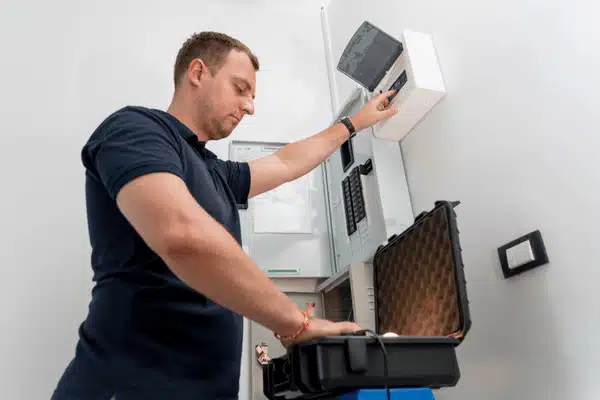
Nearly half of American homes now have smart devices. That number will grow past 50% by 2025, according to industry experts. Home automation installation services can turn your house into a modern, efficient space. Smart thermostats, security cameras, voice assistants, and whole-home audio systems offer real benefits. But before you install, you need to understand the costs, benefits, and key choices. This guide covers what every homeowner should know about smart home systems.
Table of Contents
Why Home Automation Matters for Your Home
Home automation is no longer just for tech fans. It’s become a standard home upgrade. Smart devices make daily life easier, safer, and more cost-effective.The right home automation installation services can customize systems to fit your lifestyle. You can start small with a few devices or go all-in with whole-house control.
Top Benefits of Smart Home Systems

Greater Convenience and Control
You are able to control your lights, locks, temperature, and music with your phone or voice. You can set your settings while still in bed or program your home to receive you when you arrive. This is something many young buyers want.
Lower Energy Bills
Smart thermostats may help you save 10% or more on heating and cooling bills. They learn your routine and adjust on their own. Smart lights can turn off when no one is in the room. Many people choose smart technology mainly for these energy savings.
Better Home Security
Smart security features include video doorbells, cameras, smart locks, and alarms. You can check on your home from anywhere and receive instant alerts. Some insurance companies even offer discounts for monitored systems. Most homeowners say security is the main reason they choose home automation installation services.
Enhanced Entertainment
Multi-room audio systems let you enjoy music throughout your home. In fact, 57% of smart homeowners have network-connected audio as part of their setup, according to research by Horowitz. Professional sound system installation creates an immersive experience. With one command, you can play music in every room or set up a home theater. Home speaker installation is increasingly popular for audiophiles and movie fans.
Higher Property Value
Smart home features have the potential to improve the value of your home. Redfin has conducted studies that point out that 28% of American residents are willing to spend money on a smart home. Moreover, 62% think that smart home features improve the value of the property. Home automation installation services will set your home apart from the rest.
What to Consider Before You Install
What to Consider
Set Clear Goals
List what you want from your smart home.
Plan Your Budget
Smart home costs vary widely.
Choose Compatible Systems
Don’t buy random devices that don’t work together.
Strengthen Your Network
Smart devices need strong Wi-Fi.
Protect Your Security and Privacy
About 65% of consumers worry about smart device security.
DIY or Hire a Pro?
You can mix approaches.
Plan for Growth
Choose systems that can expand.
Set Clear Goals
Write down what you want to achieve with your smart home. Do you want better security, energy efficiency, whole-house audio, and so on? Your needs will frame the decisions you have to make. Show this list to any home automation installer you think will do the job well.
Plan Your Budget
Smart home costs vary widely. Basic DIY setups start around $250. Professional whole-home systems can reach $100,000 or more for large properties, per iWired industry data. Most homeowners spend somewhere between these extremes.
Get free estimates from reputable installers. Factor in ongoing costs like monitoring fees and maintenance. Set a clear budget so you can prioritize features.
Choose Compatible Systems
Don’t buy random devices that don’t work together. Research from Claritas shows 62% of consumers want devices that connect and control from one place. Use a central platform like Amazon Alexa, Google Home, or Apple HomeKit.
Professional systems like Control4 can bring together lighting, security, audio, climate, and more. Make sure all your devices support your chosen platform before you buy them.
Strengthen Your Network
Smart devices require a strong Wi-Fi connection. Most smart homes use at least five types of devices, and many have 20 or more. Upgrade to a better router or mesh network if your current setup isn’t enough.
Some features, such as built-in speakers or security sensors, need wiring. Professional home automation installers can run cables behind your walls. If you’re renovating, consider pre-wiring to make future upgrades easier.
Protect Your Security and Privacy
PAR research shows that about 65% of consumers are concerned about smart device security. Here are some steps you can take:
- Change default passwords on all devices
- Use strong, unique passwords
- Enable two-factor authentication
- Keep firmware updated
- Secure your Wi-Fi network
Ask your home automation installer what steps they take to protect your system from cyber threats. Many professionals set up firewalls and secure remote access for added safety.
DIY or Hire a Pro?
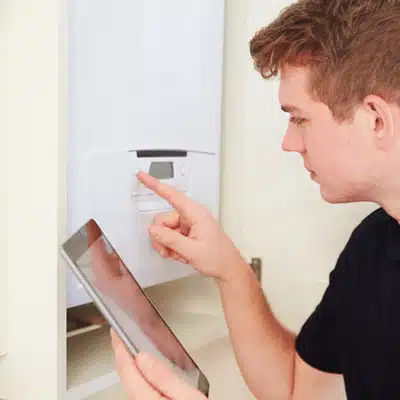
DIY works well for:
- A few plug-and-play devices
- Tech-comfortable homeowners
- Limited budgets
Professional home automation installation services are better for:
- Complex, whole-home systems
- Advanced features like custom programming
- Critical systems (security, cameras, lighting)
- Integrated multi-room sound system installation
Harvard housing research shows that homeowners who are renovating often hire professionals to install alarms, cameras, and advanced lighting. Pros can save you time, deliver quality work, and offer training and support.
You don’t have to choose just one approach. You can start with DIY projects and later hire an installer to expand and connect everything for you.
Plan for Growth
Pick systems that can grow with you. Technology changes quickly, and your needs may change too. Choose platforms that make it easy to add new devices later.
Consider adding extra wiring or outlets now to prepare for future needs. Many professional systems let you begin with a few rooms and expand later. Choose devices that get software updates so they stay up to date.
How much do home automation installation services cost?
Costs range from $250 for basic DIY setups to over $100,000 for custom installations in large homes. Most homeowners spend a few thousand dollars for professional mid-range systems with lighting, security, and climate control.
Do I need professional installation or can I do it myself?
DIY works for simple devices like smart bulbs or thermostats. Professional home automation installation services are recommended for complex systems, whole-home integration, security systems, and home speaker installation that requires wiring behind walls.
Will smart home features increase my property value?
Yes. Research shows 62% of people believe smart features increase home value, and 28% would pay more for a home with smart technology already installed. Quality systems from reputable installers appeal to modern buyers.
What smart home features save the most energy?
Smart thermostats save the most energy, often cutting heating and cooling costs by 10% or more. Smart lighting and automated shades also reduce waste. ENERGY STAR reports that heating and cooling are the biggest home energy users.
How do I make sure my smart devices work together?
Choose a central platform like Alexa, Google Home, or Apple HomeKit before buying devices. Check compatibility labels on all products. Professional systems like Control4 integrate everything from one interface, avoiding the need for multiple apps.
Are smart home devices secure from hackers?
Smart devices can be secure if you follow best practices. Use strong passwords, enable two-factor authentication, keep firmware updated, and secure your Wi-Fi network. A professional home automation installer can configure additional protections like firewalls.
Ready to Upgrade Your Home?
Home automation installation services can bring real benefits to today’s homeowners. The right system can make your home more comfortable, secure, entertaining, and efficient. Begin by setting clear goals and a realistic budget. Pick devices that work well together and make sure your network is strong. Protect your privacy by following good security practices.
Whether you set up a few devices on your own or hire a professional for a full home system, careful planning is key. The features you choose now should continue to work for you in the years ahead.
Ready to upgrade your home? Get in touch with us for a free consultation and a quote on professional home automation installation services designed for you.