
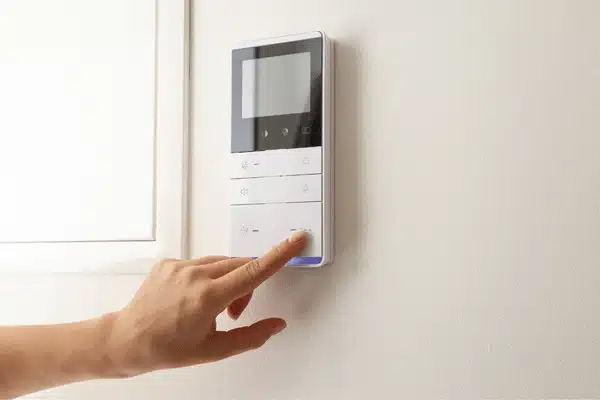
Modern intercom systems for home are no longer the bulky devices of the past. Smart home features, video, and smartphone access are all integrated into modern security hubs. Providers such as MyCustom Integrators offer scalable home and video intercom systems that can connect to more comprehensive smart home automation, making them a perfect fit for contemporary homes for homeowners wanting a custom setup.
They facilitate communication between rooms, visitor screening, and remote access control. Industry research shows that the residential intercom market will expand by more than 7% year until 2030. These technologies are becoming more and more popular among homeowners for their smart homes. This tutorial explains everything you need to know if you’re considering installing an intercom system at home.
Table of Contents
- Why Install Intercom Systems for Homes
- Types of Intercom Systems Available
- Key Factors to Consider Before Installation
Why Install Intercom Systems for Homes

Better Security at Your Door
A residential intercom system lets you see and talk to visitors before opening the door. A study in Criminal Justice Studies found that cameras may have limited impact on package thieves, but a University of North Carolina at Charlotte burglar study reported by ESA found that nearly 60% of burglars consider cameras or other visible surveillance when choosing a target, and more than 40% said it could make them choose another home instead. You can grant or deny access remotely, even when you’re away.
Easy Communication Throughout Your Home
Intercom systems for home make daily life simpler. Press a button and talk to anyone in the house. Call the kids to dinner or check on family members instantly. Large homes or those with detached garages benefit most. Many people use intercoms as baby monitors too.
Smart Features and Remote Access
Most newer intercom systems for home connect to Wi-Fi and work with smartphone apps. Answer your door from your phone when you’re not home. Many wireless home intercom systems integrate with smart locks, cameras, and voice assistants. Unlock doors, disarm alarms, or open garage doors right from the intercom. This integration adds value to your property.
Prevents Crime and Improves Safety
A visible camera-equipped intercom makes burglars think twice. Talk through a locked door safely. In emergencies, broadcast messages across the house instantly.
Types of Intercom Systems for Homes Available
Wired vs. Wireless Options
Wired intercom systems use cables to connect stations. Installation takes more work since cables run through walls. But you get clear audio and video with no interference. They work even when the internet is down.
Wireless home intercom systems use radio signals or Wi-Fi. They’re easier to install and don’t require opening walls. Many are DIY-friendly. The downside? They can face interference and have limited range. Pick wired for reliability. Choose wireless for easy setup.
Audio-Only vs. Video Systems
Audio-only intercoms allow voice communication between rooms. They cost less but you can’t see visitors. Video intercom systems include cameras at doors and monitor screens inside. In 2026, video is the standard for entry doors because of security benefits. Many homes use a video intercom at the front door and audio stations in other rooms.
Smart and Integrated Features
Look for these features when shopping:
- App control – Answer the door from your phone anywhere
- Cloud connectivity – Store video clips and access remotely
- Smart home integration – Works with Control4, Apple HomeKit, Alexa, or Google Assistant
- Motion detection – Records when someone approaches even without pressing the button
- Remote unlocking – Grant access with one-time PIN codes for deliveries
- Multiple indoor screens – Place monitors on each floor so you don’t miss calls
Make a list of must-have features before you shop. This helps narrow down options that fit your lifestyle and budget.
Key Factors to Consider Before Installation
New Build vs. Existing Home

Are you building a new home or expanding an existing one? New construction is ideal for prewiring an intercom system. Wireless house intercom systems are ideal for older homes since they do not need ripping into walls. If your home contains vintage intercom wiring from the 1980s or 1990s, the wires may be compatible with newer systems.
Check Your Home’s infrastructure.
Wireless systems require good Wi-Fi coverage for all intercom stations. Wired systems require power at each station. Consider compatibility with existing systems. If you already have home automation, select an intercom that works flawlessly.
Set your budget and priorities.
Basic intercom systems cost less than $100, but luxury configurations might cost several thousand dollars. Set your budget first. If you only need to communicate between rooms, a simple audio system would suffice. For entry security, consider purchasing a high-quality video intercom with night vision. Include installation labor and any monthly fees for cloud storage in your budget.
Professional Install or DIY?
Simple wireless kits can be DIY projects. Complex installations need professionals. This includes running wired stations in large homes or integrating with security systems. Pros ensure safe wiring and correct configuration. Look for installers experienced with intercom systems for home and video intercom systems.
Plan for Long-Term Use
Choose a system that everyone in your family can readily use. Plan for basic maintenance, such as battery replacements for wireless systems. Clean your exterior cameras on a regular basis. Test stations on a monthly basis to ensure they work properly. Keep your firmware and apps up to date to ensure security.
What’s the difference between wired and wireless intercoms?
Cables are used in wired systems to ensure high reliability and clarity. Wireless systems rely on Wi-Fi or radio signals to facilitate installation and adaptability.
Do I need video or just audio?
Video is recommended for entry doors since it allows you to see who is there. For room-to-room communication within your house, audio just is sufficient.
Can I answer my intercom from my phone?
Yes, most modern intercom systems for home have smartphone apps. You can answer the door and see video feeds from anywhere.
How much does a home intercom system cost?
Basic kits start under $100. Full systems with video and multiple stations range from $500 to several thousand, plus installation costs.
Will an intercom work if my internet goes down?
Wired systems work without internet. Wireless systems that rely on Wi-Fi won’t function during outages unless they have backup connectivity.
Can I install an intercom system myself?
Simple wireless kits are often DIY-friendly. Complex wired systems or integrated setups usually need professional installation for best results.
Ready to Upgrade Your Home?
A residential intercom system adds safety, ease, and smart control to your home, but the real difference comes from expert design and setup. At MyCustom Integrators, we have provided custom home intercom and video intercom systems since 2009, and our installers and project managers bring more than 150 years of combined professional experience to every project. Choose our team for a custom system that fits your home, works smoothly from day one, and gives you reliable security and communication where you need it most.